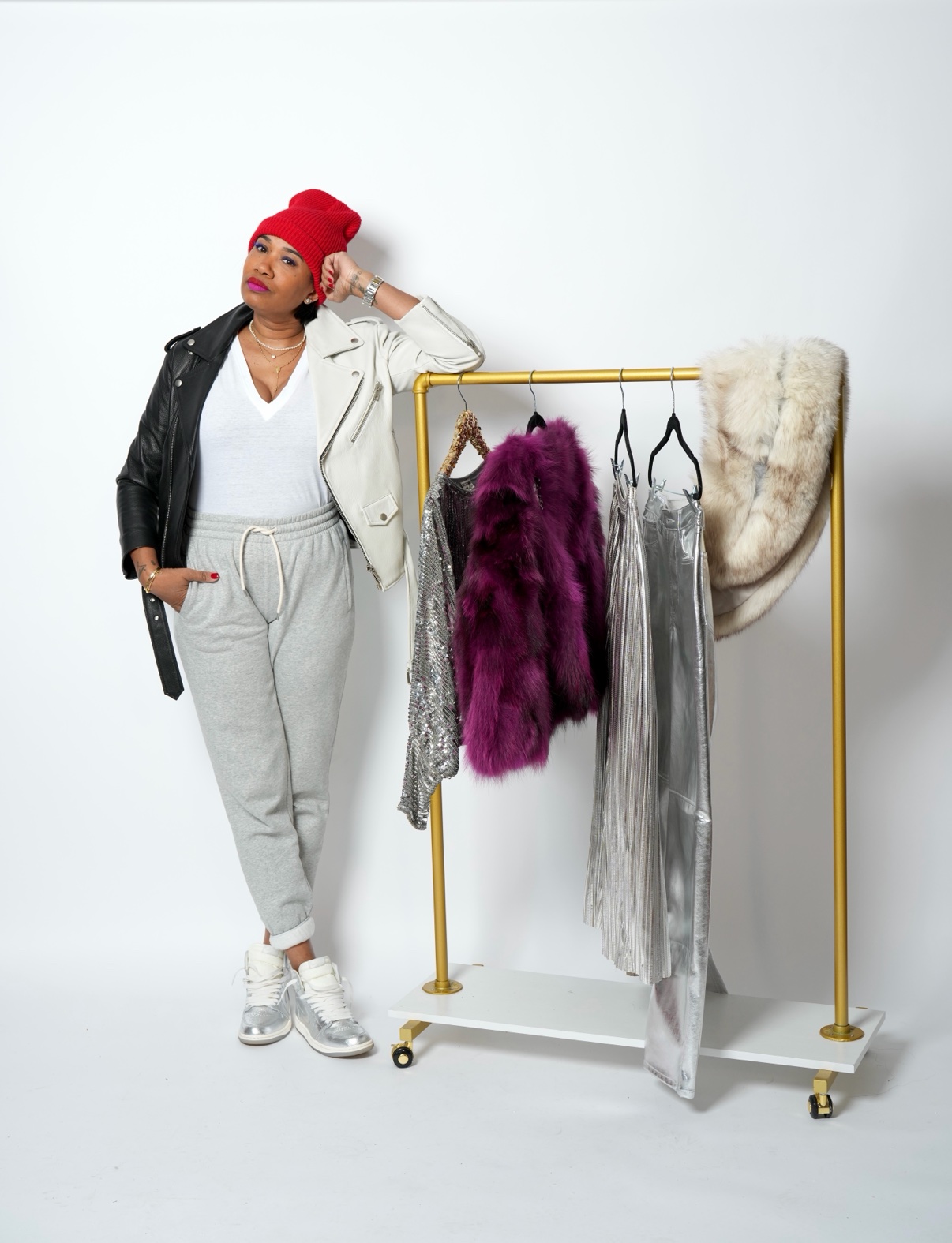
Before buying more, look at the fit, combinations and everyday needs your clothes are supposed to answer.
By Tamela Clarke
When a wardrobe stops working, the first thought is often that something new is needed. Yet a closet can be full and still leave you with nothing that feels right. The issue may be how the pieces fit your life now, how they work together, or how they sit on your body.
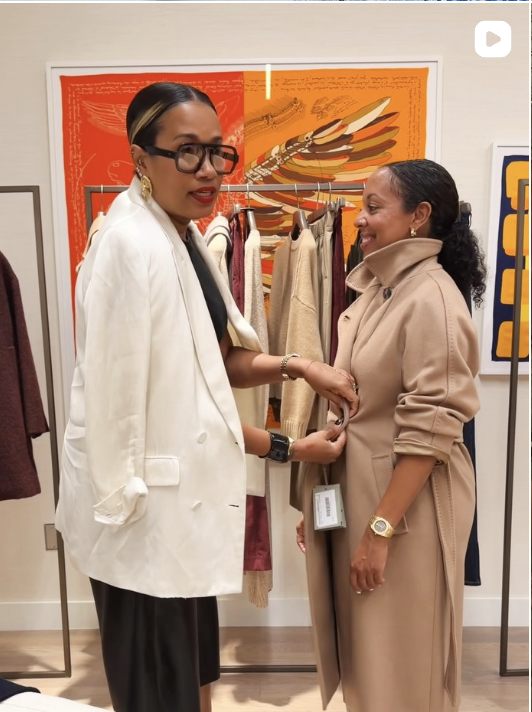
In my work as a stylist, I start by looking at the clothes already there. Before adding to the closet, I want to know what you wear on repeat, what you avoid, and where getting dressed breaks down. That tells us more than a list of new things to buy.
Look at the life your closet serves
A wardrobe reflects the routines it was built around. A change in work, travel, family life, or the occasions you attend can make familiar pieces feel less useful. Your taste may have changed, too. The clothes can still be good, but they may no longer answer the same needs.
Notice what you reach for during an ordinary week. Then think about the moments when you feel least prepared. If you have plenty of clothes for one part of your life and very little for another, the problem is not a lack of style. It is a mismatch between the closet and your calendar.
Find the pieces that almost work
The best clues are often the pieces you like but rarely wear. A jacket may have no natural partner. A dress may need a shoe or layer that makes it feel right for your day. Trousers may be the right color and fabric, but the rise or length changes the balance of the outfit.
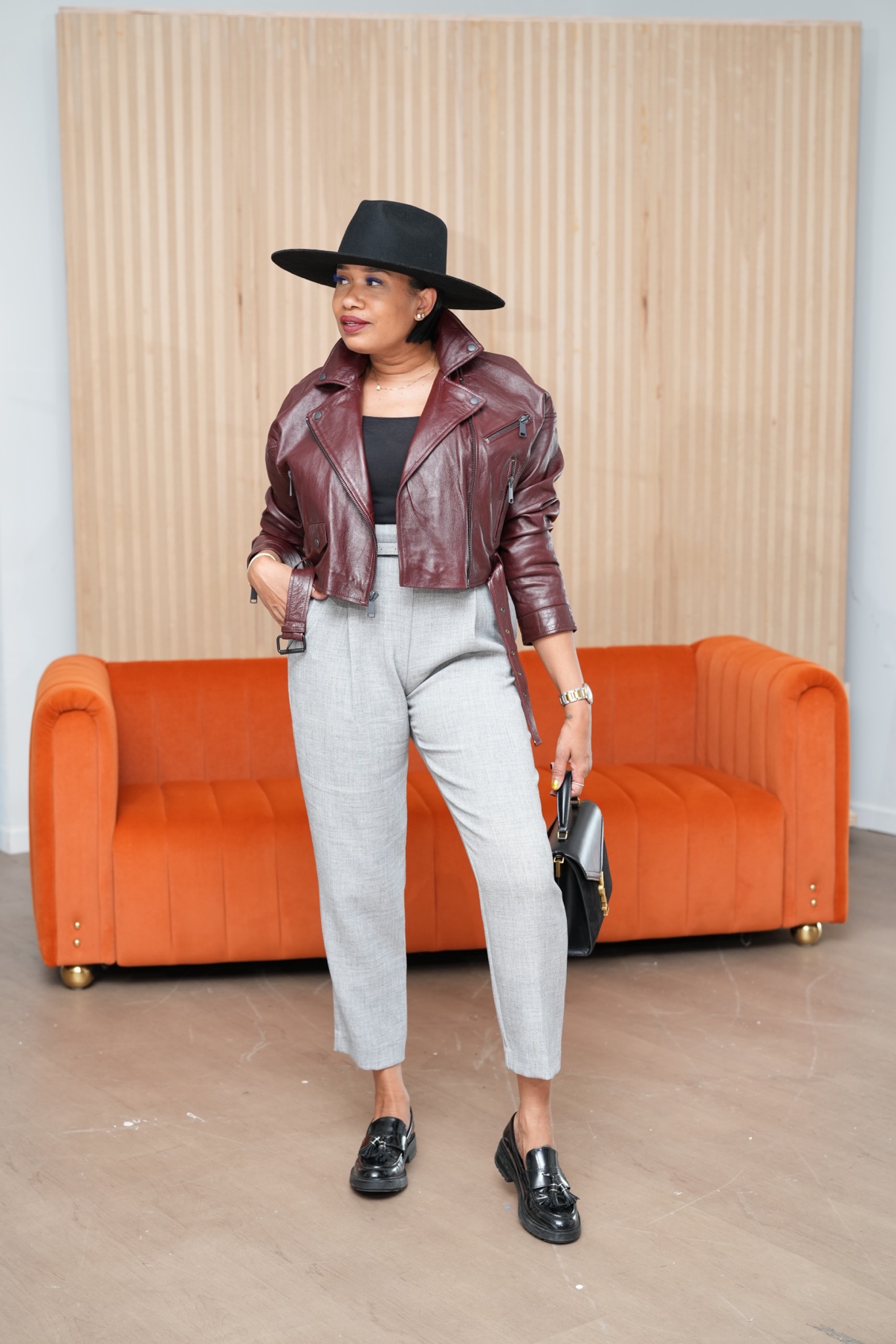
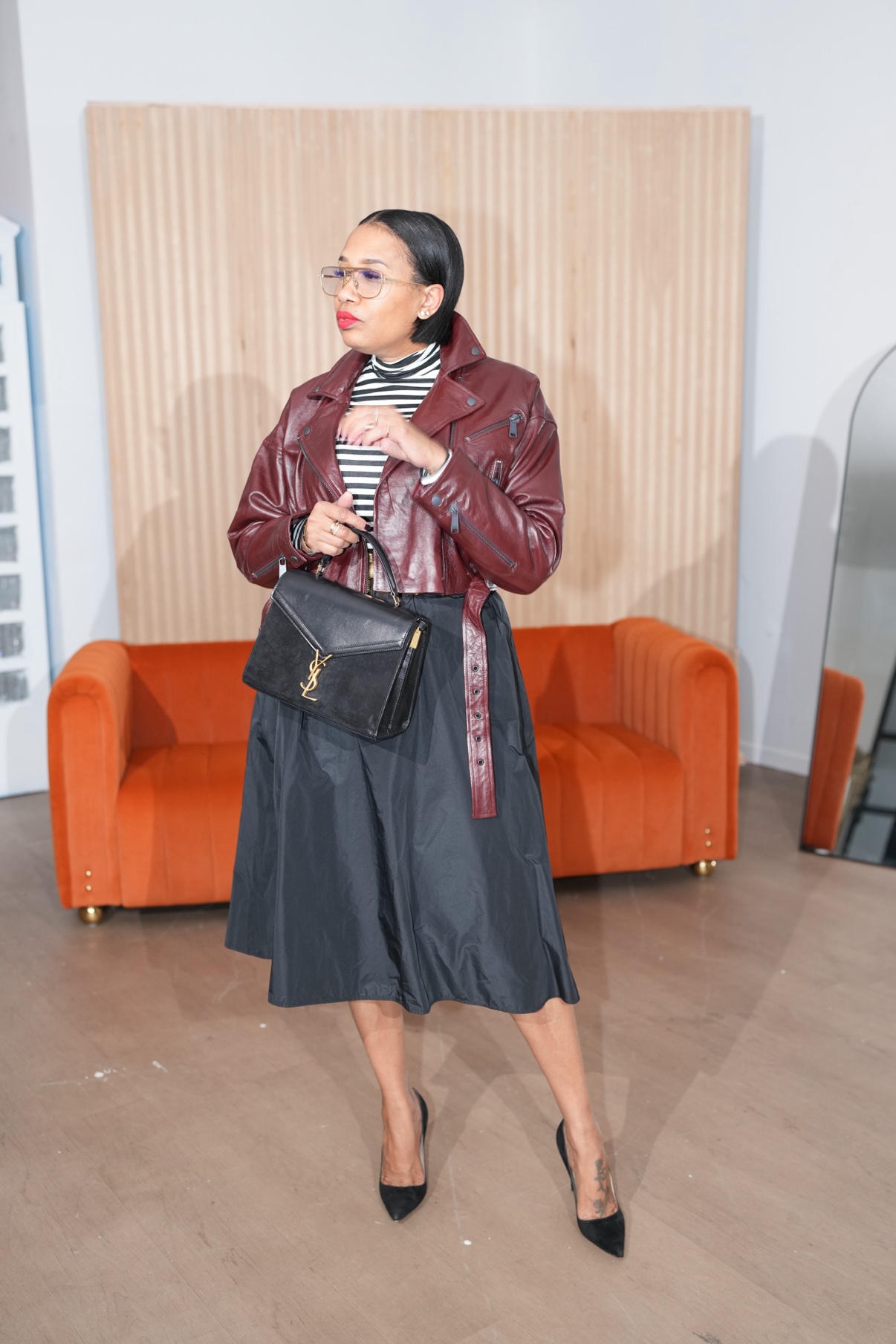
Put a full look together, including shoes and accessories, and take a quick photo. Look at the outfit as a whole. Does one length interrupt the line? Is there enough contrast? Does the shoe finish the look? A photo helps you see what the mirror can blur when you are focused on one piece at a time.
Check fit and proportion before replacing
The size on a label does not tell you whether a garment fits well. Pay attention to the shoulder, sleeve, rise, and length. Sometimes a small alteration or a different way of styling a piece makes it feel considered and current again.
Proportion is part of that decision. A longer jacket can change the effect of a slimmer trouser. A fuller trouser may look more balanced with a defined waist or a cleaner shoe. The right combination depends on the person wearing it, so look at the whole outfit rather than following a fixed rule. The same attention to proportion applies to denim.
One outfit, a clearer decision
Consider a full trouser with a long, loose top. Before deciding that the trouser is wrong, try defining where the top ends: tuck the front, shorten the visible layer or exchange it for a closer-fitting piece. Then change the shoe and photograph the two versions. The point is to see which relationship feels deliberate on your body, rather than judge each garment alone.
That same process helps separate a styling issue from a fit issue. A different tuck can change the outline; it cannot resolve a waistband that pulls when you sit. Try movement as well as the mirror. If a piece needs altering, identify the adjustment before buying another garment to compensate for it.
Make the next purchase answer a question
Shopping has a place, but each purchase should solve something specific. If several outfits need a finishing layer, that may be the gap. If favorite pieces need tailoring, handle that before buying replacements. If your closet does not cover an important occasion, shop for that occasion with the rest of your wardrobe in mind.
Before you buy, name at least two ways you will wear the item and where you will wear it. If you cannot picture it with the clothes you own or the life you lead, pause. The answer may be a better outfit, an alteration, or a clearer edit of the closet.
Start with what is already yours
A wardrobe does not need to be larger to feel more useful. It needs to make sense for the person getting dressed. Look at what you wear, what you are missing, and what no longer belongs in the rotation. Once the pattern is clear, you can decide what to restyle, tailor, release, or add.
Your wardrobe may not be the problem. It may be waiting for a more honest look at how you live and what you want your clothes to do.