An Evening at Sip and Read: Books, Style and Conversation
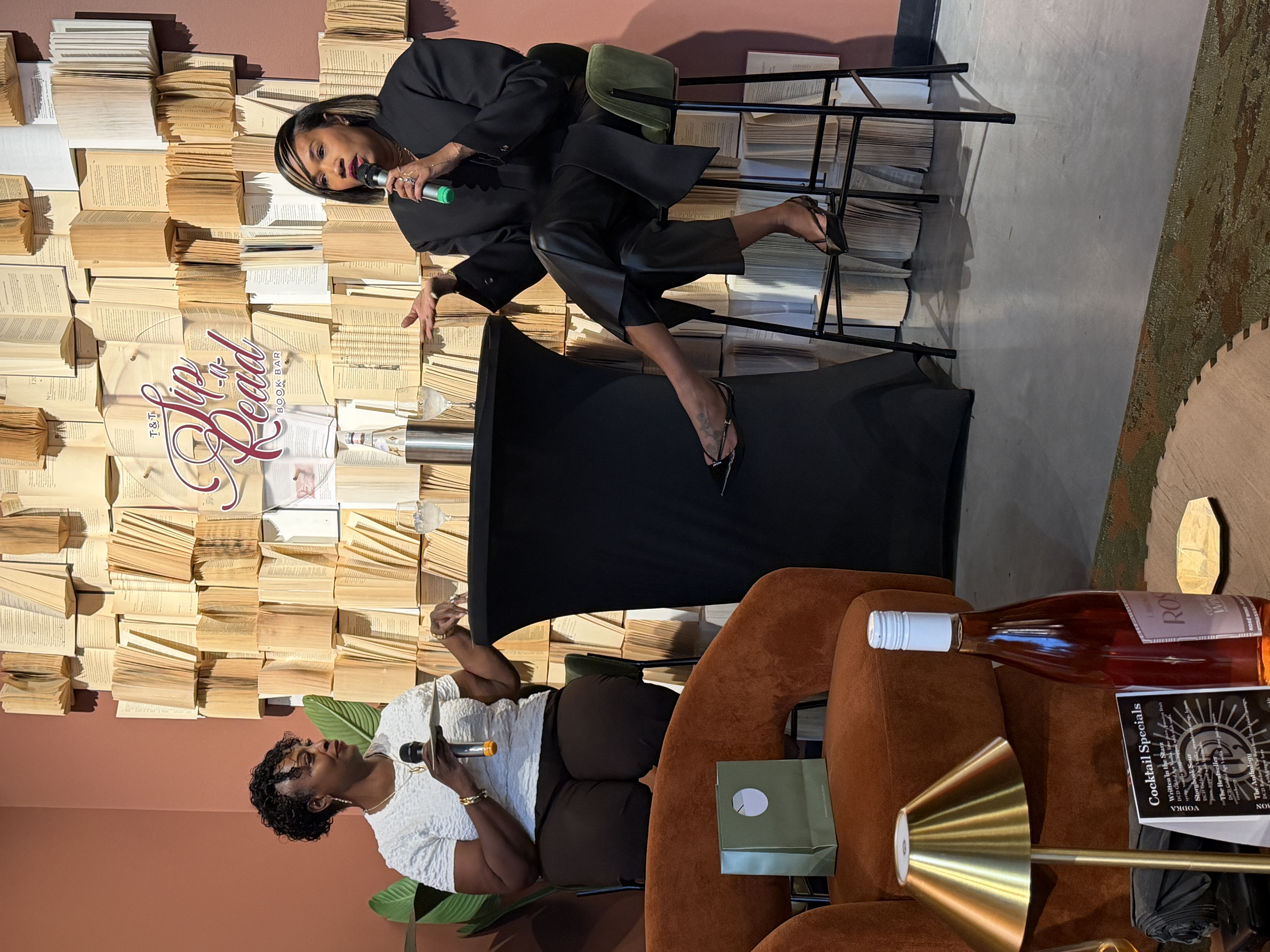
A fireside conversation at Sip and Read brought the questions behind getting dressed into a space built for the exchange of ideas.
By Tamela Clarke
At Sip and Read, a bookstore, I joined a fireside chat as a personal stylist. The audience asked about choosing jeans, where to shop for denim, how to style different pieces and how to develop personal style. One question reached into the history of dressing. Together, those subjects gave the conversation a range that a single outfit could never contain.
The evening was a style conversation with the shop’s owner, Tamela C. Todd.
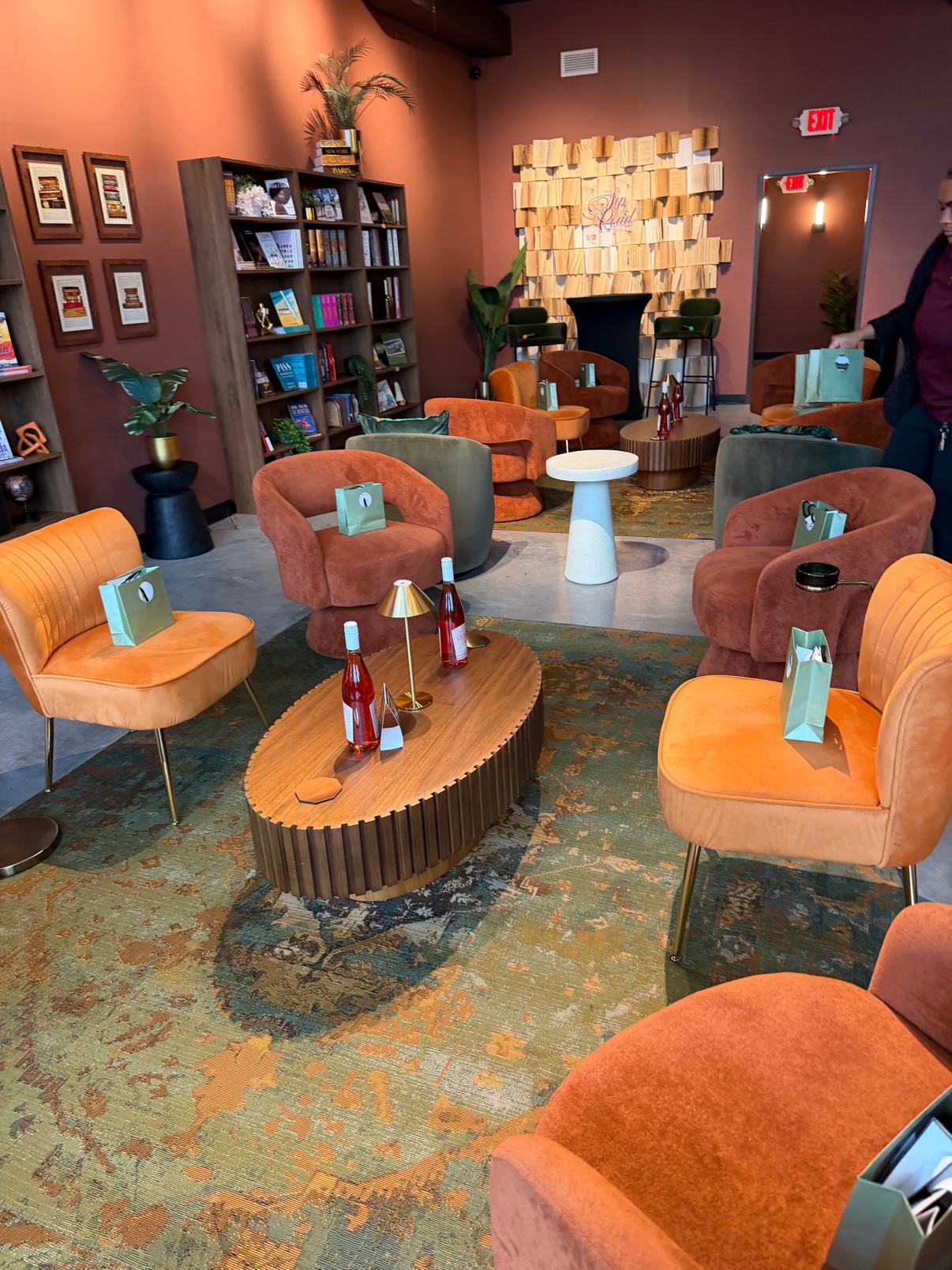
A bookstore is an apt setting for that exchange. Books invite us to consider another perspective; a conversation about clothing can do something similar. What seems like a question about a garment often opens onto something larger: how we want to be seen, what makes us comfortable, or why the clothes we own do not quite express the person wearing them.
The questions behind the jeans
Denim made a practical starting point. It is familiar enough to be an everyday purchase, yet finding the right pair can be unexpectedly difficult. The questions raised at Sip and Read, how to choose jeans and where to look for them, deserve more than a list of fashionable shapes.
Consider fit in three stages: comfort, proportion and use. A waistband should feel manageable when sitting as well as standing. The rise should work with the torso, without persistent pulling or a need to keep adjusting the garment. Then assess the leg with the shoes it will actually be worn with. The same hem can look considered with one shoe and unresolved with another.
That distinction matters: changing a top or shoe can improve an outfit’s proportions, but it cannot make an uncomfortable waistband comfortable. The fitting-room decision becomes clearer when those problems are separated. The Denim Shift explores how shape and proportion change the way familiar jeans work.

A better way to approach the shopping question
Where to shop was part of the audience’s inquiry. Beyond any individual retailer, a useful denim search needs room for comparison. Start with the job the jeans need to do: an everyday pair with flats, a cleaner line under a jacket, or a fuller silhouette that brings something different to the wardrobe.
Compare a few rises and leg shapes with the same shoe and top. Read the fabric composition, then notice how the denim behaves on the body; a stretch percentage alone cannot tell you whether the cut will suit you. Check the return and alteration conditions before treating a nearly right pair as a finished purchase. Specificity makes shopping more useful than another search for a universally perfect jean.
Personal style grows through decisions
The discussion also moved beyond denim to styling individual pieces and developing personal style. These subjects belong together. A garment becomes part of a personal wardrobe through the choices around it: the layer that changes its formality, the shoe that gives it direction, the proportion that makes it feel convincing.
Try one piece in two complete combinations before deciding it has no place in your wardrobe. Change one element at a time so the reason an outfit works becomes visible. Notice what you repeatedly choose, and what you repeatedly avoid. Those patterns offer more useful information than a label such as classic, modern or eclectic on its own. Your Wardrobe May Not Be the Problem takes that closer look at the relationship between what we own and what we wear.
A conversation with room for curiosity
One audience member asked about a historical dressing method unfamiliar to me. That moment belongs in the story because it widened the conversation: style has a history, and a stylist can participate in an exchange without pretending to have encountered every part of it.
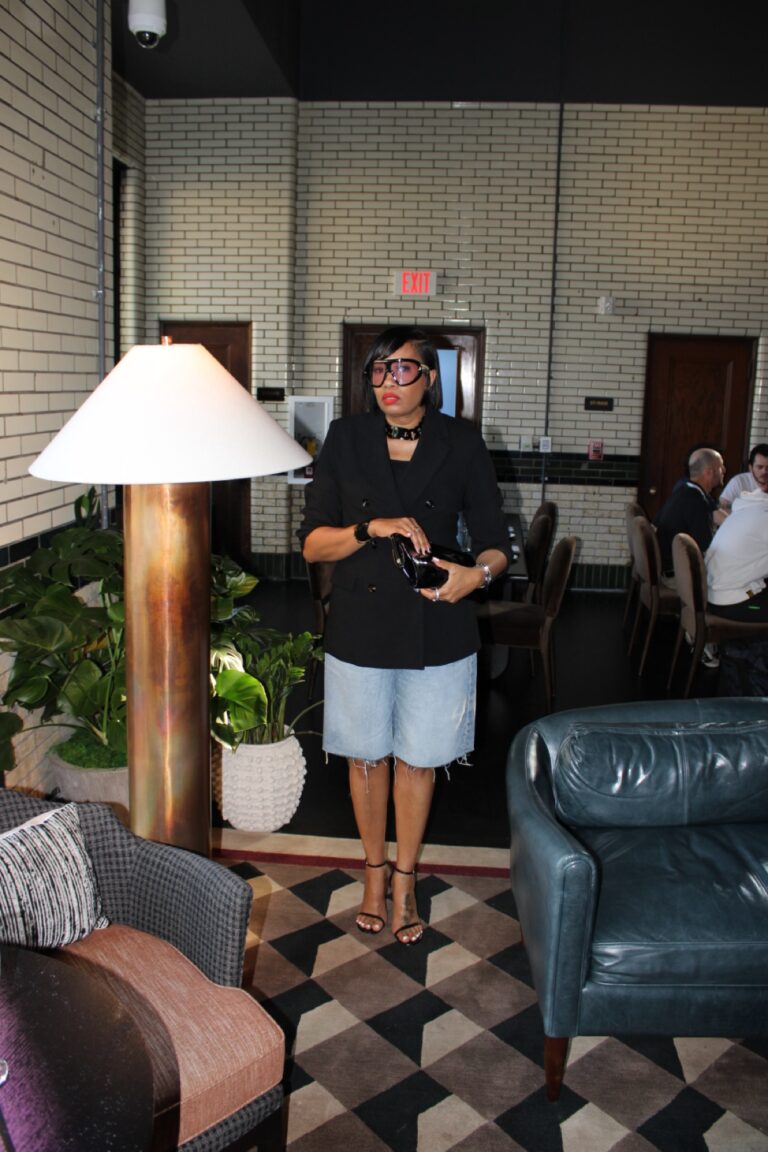
The conversation turned on a line I come back to often: dress how you want to be addressed. If you want to be read as demure, dress demure. If you want classy, dress classy. If you want edgy, put on the edgy piece. The clothes make the introduction before a word is said.

The practical guidance developed here extends the subjects raised at Sip and Read. What made the event its own experience was the exchange itself—questions coming from the audience, and clothing discussed in relation to the people who wear it. In a bookstore, where a new question can be as valuable as a familiar answer, personal style found a fitting place in the conversation.