A Vintage Bag Worth Keeping: How to Build a Personal Collection
Start with the bag you want to carry. The name on the clasp is only one part of the decision.
By Tamela Clarke
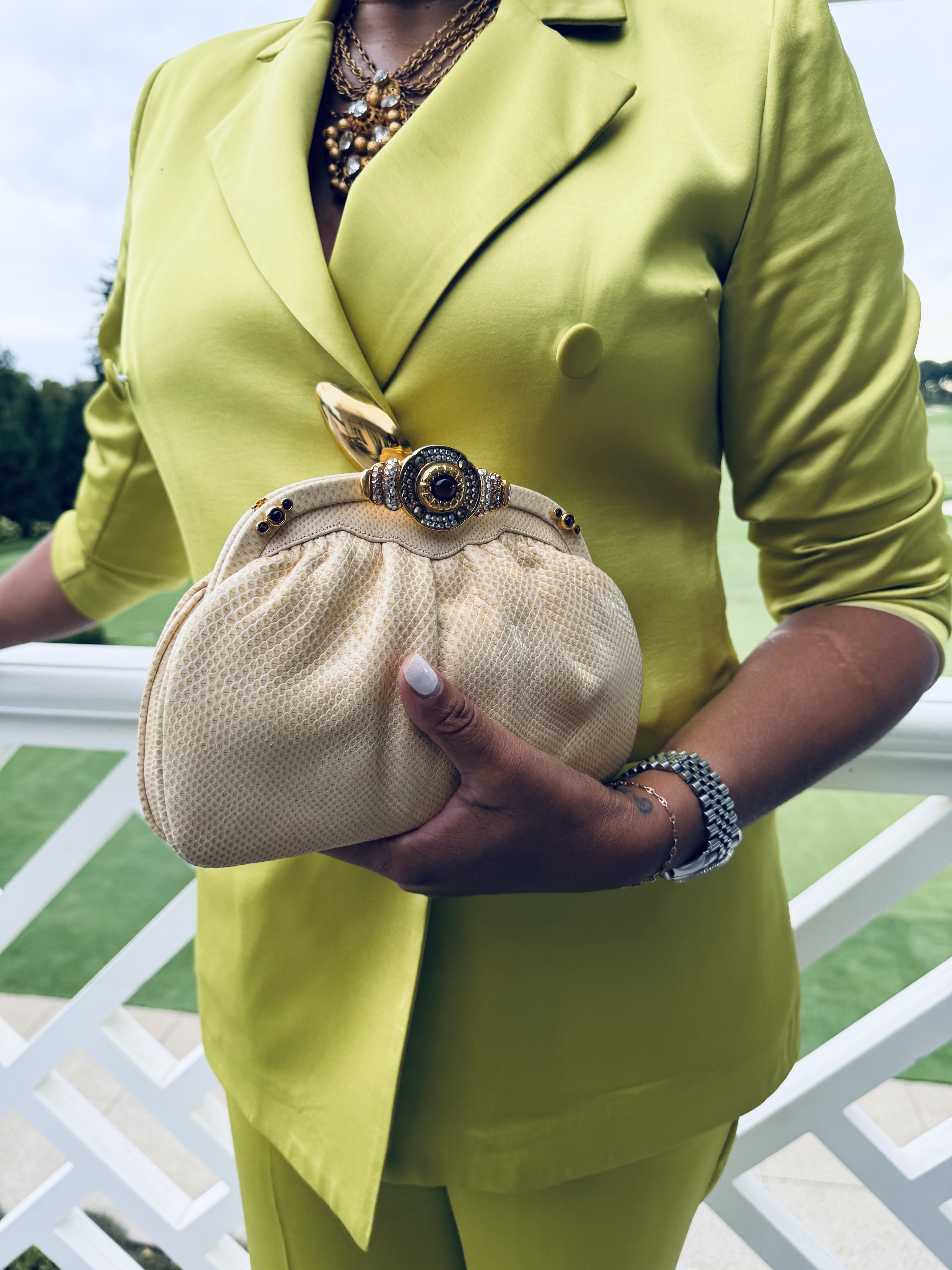
A vintage bag can give a simple outfit a detail that feels entirely your own: an unusual proportion, a particular clasp, a color that sits outside the usual rotation. The temptation is to buy the excitement of discovery. A collection becomes more interesting when that excitement is followed by a careful look at the object itself.
Know the role you want it to play
Begin with a gap in the collection rather than a list of names to acquire. Perhaps you want a small evening bag, a structured daytime shape or a piece with a distinctive surface. Measure what you carry and compare it with the bag’s interior dimensions. A phone that does not fit can turn an intended everyday purchase into an occasional object.
Ask yourself what the piece adds beyond the bags you already own. Shape, period, color or craft can provide a point of view. There is no requirement to collect one label or to buy a famous model. Repetition becomes useful when it reveals your taste; it becomes expensive when it simply repeats the same job.
Examine the whole bag, not just the front
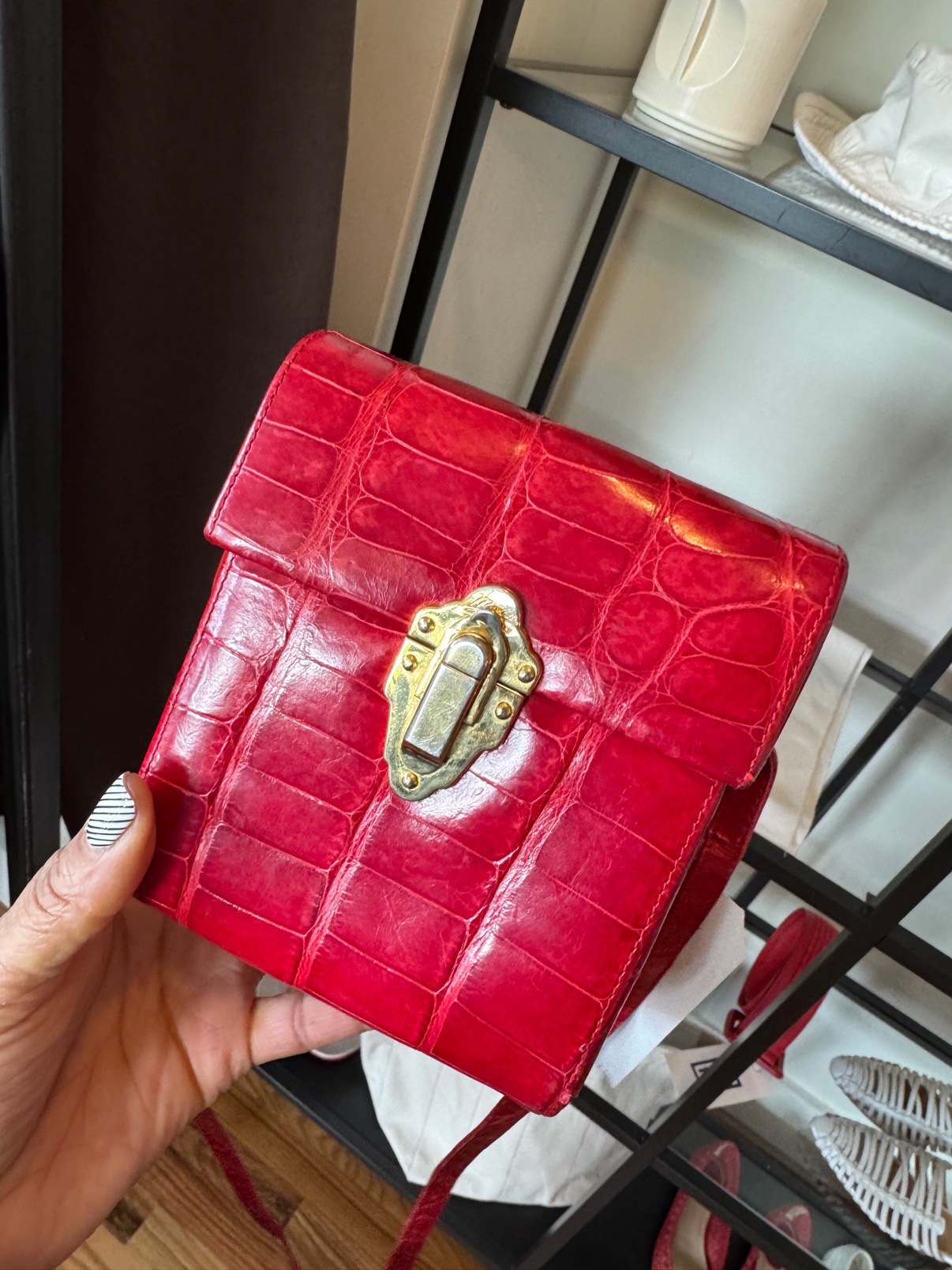
Request clear photographs of all corners, the base, handles, strap attachments, lining and closure. Ask for close-ups of wear and a photograph that establishes scale. In person, open and close the bag and check whether the interior is practical for you. Look for loose stitching, damaged edges, tears, missing parts and visible repairs.
Ask directly about odor, storage, staining and any treatments or alterations. Those issues may be difficult to judge from photographs. “Good vintage condition” is a seller’s description, not a substitute for specific answers. Keep the listing, condition photographs and written responses with your purchase record.
Treat documentation and authentication as separate questions
A logo, serial marking or accompanying box cannot by itself settle authenticity. Ask what evidence supports the attribution, who has assessed it and what the seller’s written guarantee and return terms actually cover. Where authenticity materially affects the price, consider an independent specialist appropriate to that maker and period before committing.
A receipt can be useful provenance, but check that the documents relate to the bag being sold. Do not turn a single online checklist into certainty. This is a collecting approach, not an authentication service; a doubtful attribution is a reason to investigate or walk away, not to invent reassurance.
Price the work before buying the promise
If a repair is part of your plan, ask an experienced bag repairer for an assessment using clear photographs before you buy. Check whether the proposed work would change the finish, replace original parts or alter the appearance you liked. Add the likely repair, delivery and any transaction costs to the price you are considering.
Do not assume a cleaning treatment will remove a stain or odor, and do not experiment with household products on a newly purchased bag. Follow material-specific advice from a qualified specialist. A bargain that depends on an uncertain restoration is still an uncertain purchase.
Buy for use, then keep the record
Try the bag with a familiar coat and a simple outfit. Does the handle work over the sleeve? Does the clasp demand two hands when you need one free? If you are buying as a display object, be clear about that too. The point is to understand your reason rather than borrow someone else’s idea of collectibility.
Photograph the condition when it arrives, keep the seller’s details and document any later work. Review the collection occasionally: which pieces do you carry, and which teach you something about your taste? The same wardrobe questions apply to clothes. Buy for character, condition and a role in your life. Future resale value is uncertain; it should not be the story that persuades you to overlook the bag in front of you.